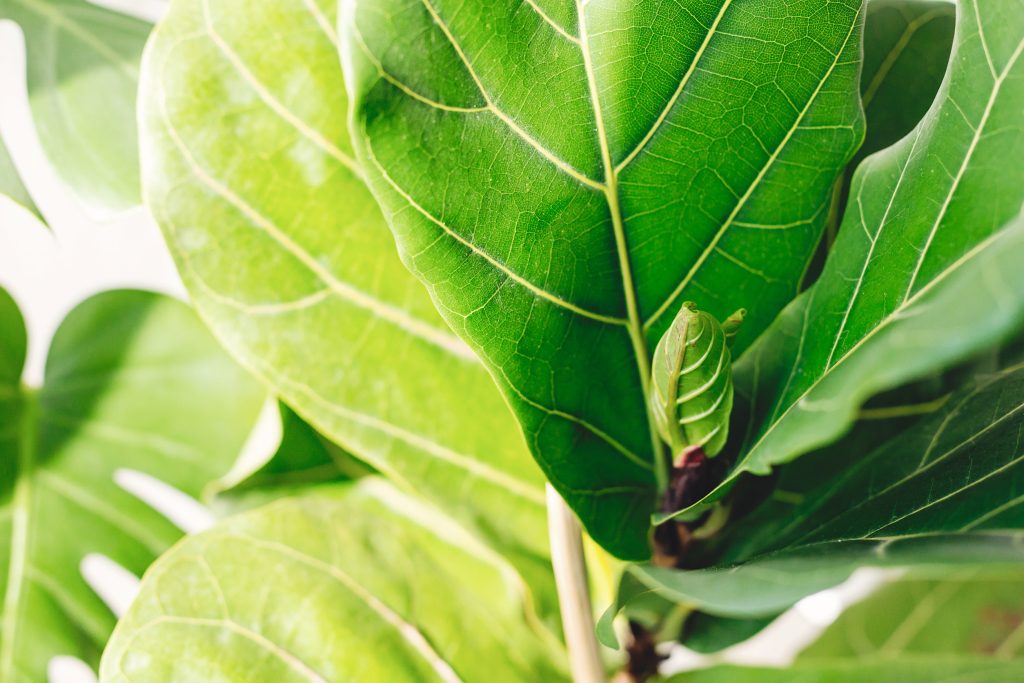
Overview Grown as decorative plants, edible plants, and religious symbols, the Ficus is one of the most popular plants today. From the Fiddle Leaf Fig to the Rubber Tree, Ficus are widely loved for their unique foliage. They bear the appearance of small trees, characterized by a single trunk and a spreading canopy of leaves. […]
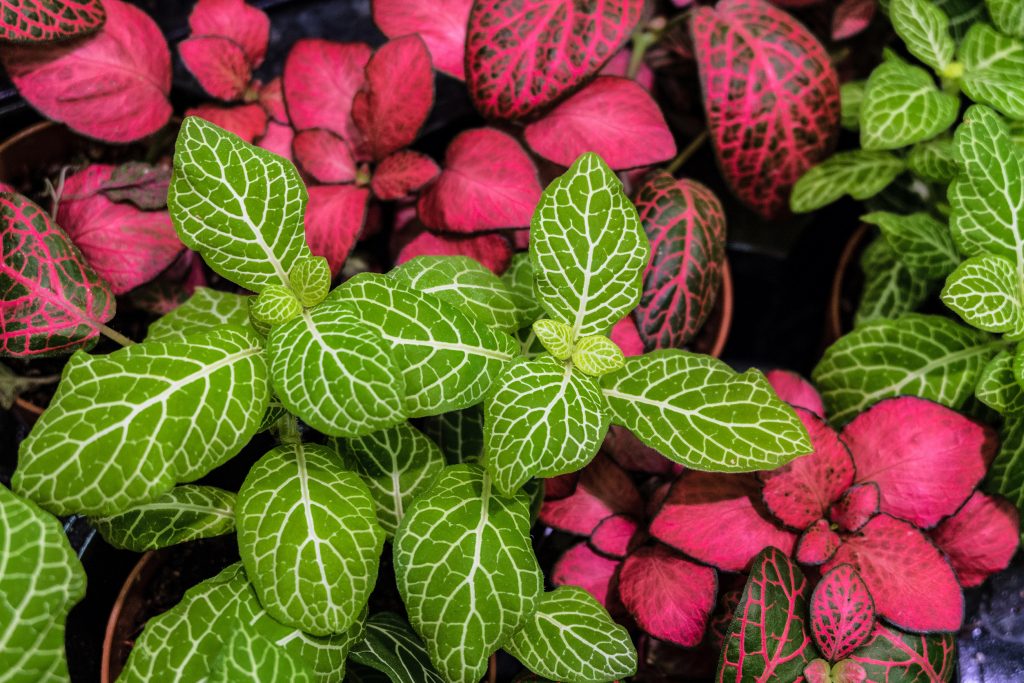
Overview The Fittonia, or the Nerve Plant, is characterized by its striking patterned leaves. Its deep green leaves are contrasted with bright veins of pink, red, white, and orange. Originating from Peru in South America, their natural habitats are tropical rainforests where they grow as ground cover underneath the trees. These slow growing plants reach […]

Overview Dracaena plants are identifiable by their woody, ringed trunks and sword shaped leaves. There are over 170 species of Dracaenas, all varying in size, shape, and color. Dracaena foliage may be completely green, or may include stripes of cream, red, shades of green, purple, or yellow. Most species of Dracaena are native to Africa, […]
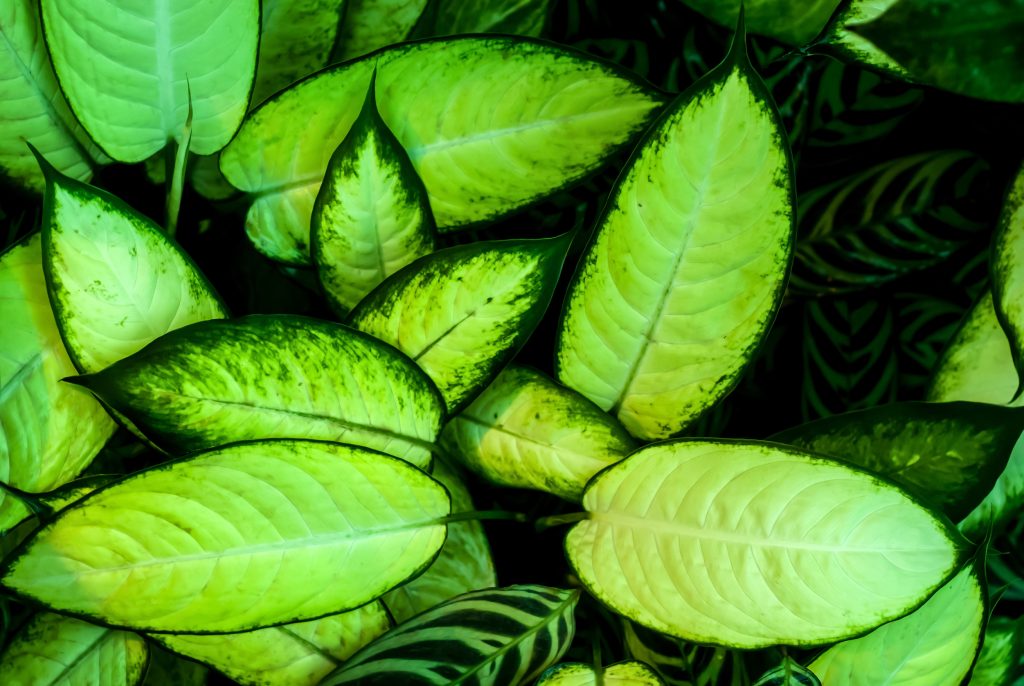
Overview The Dieffenbachia, also known as Dumb Cane or Leopard Lily, is known for its large, eye-catching leaves in varying patterns and shades of green, cream, and white. Native to the Caribbean, Mexico, and South America, there are around 50 species of Dieffenbachia! This fast-growing plant can reach up to 10 feet tall with 20-inch […]
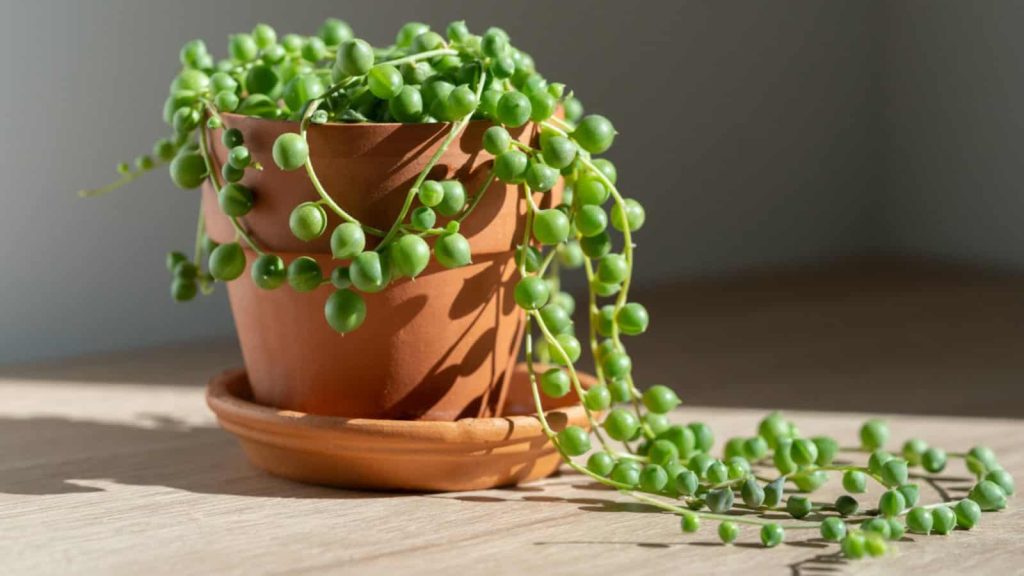
Overview Curio is a genus of succulent known for their trailing foliage and unique, plump leaf shape. Native to South Africa, there are about 20 species of Curio, including String of Pearls, String of Dolphins, String of Tears, String of Bananas, and String of Watermelons. When grown in proper conditions, Curio plants produce delicate white […]
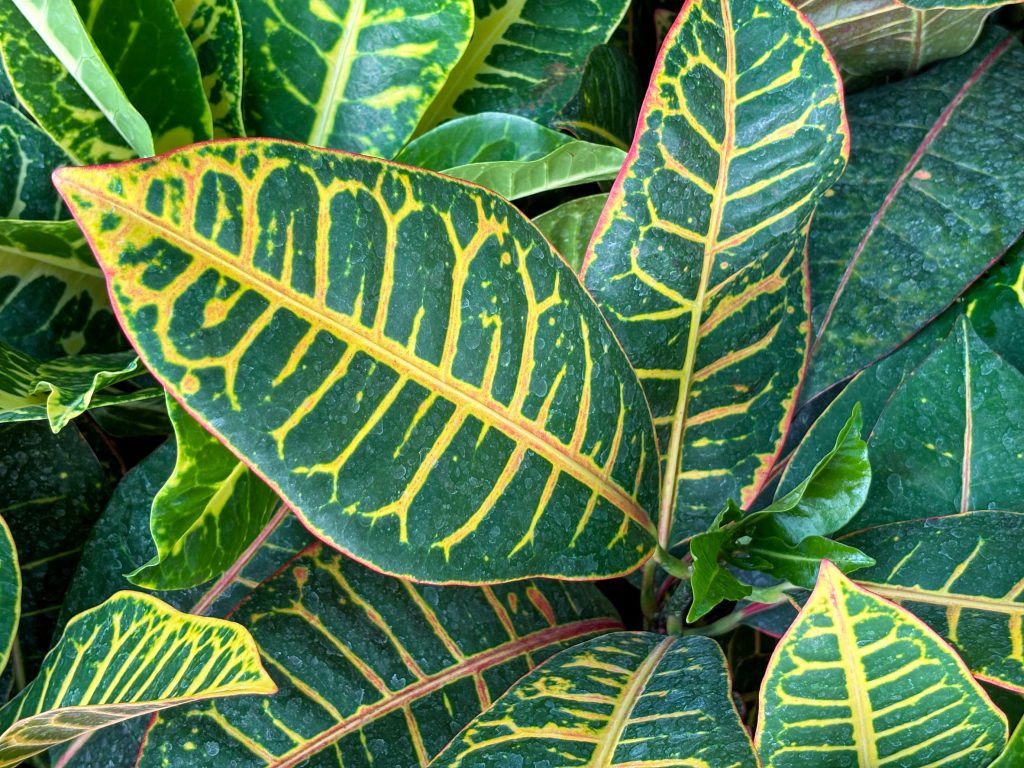
Overview Croton are known for their bright, thick, leaves. They come in many shapes, sizes, and patterns, usually striped or spattered with colors such as yellow, red, pink, and black. The name Croton comes from the Greek word for ‘tick,’ as its seeds have a similar appearance to the insect. Native to the humid tropics […]
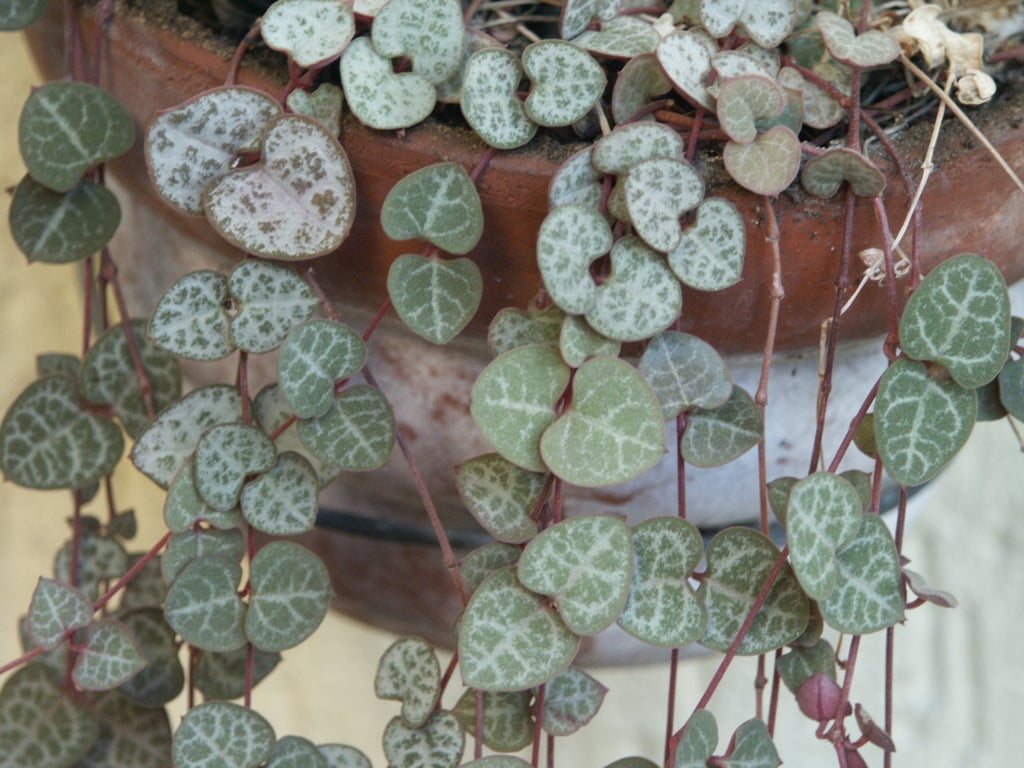
Overview Native to South Africa, the String of Hearts belongs to the genus Ceropegia. The Ceropegia genus includes over 180 species of flowering plants in the family Apocynaceae. The String of Hearts (Ceropegia Woodii) is the most commonly recognized Ceropegia, displaying small heart shaped leaves on thin vines. The foliage of Ceropegia is typically small […]
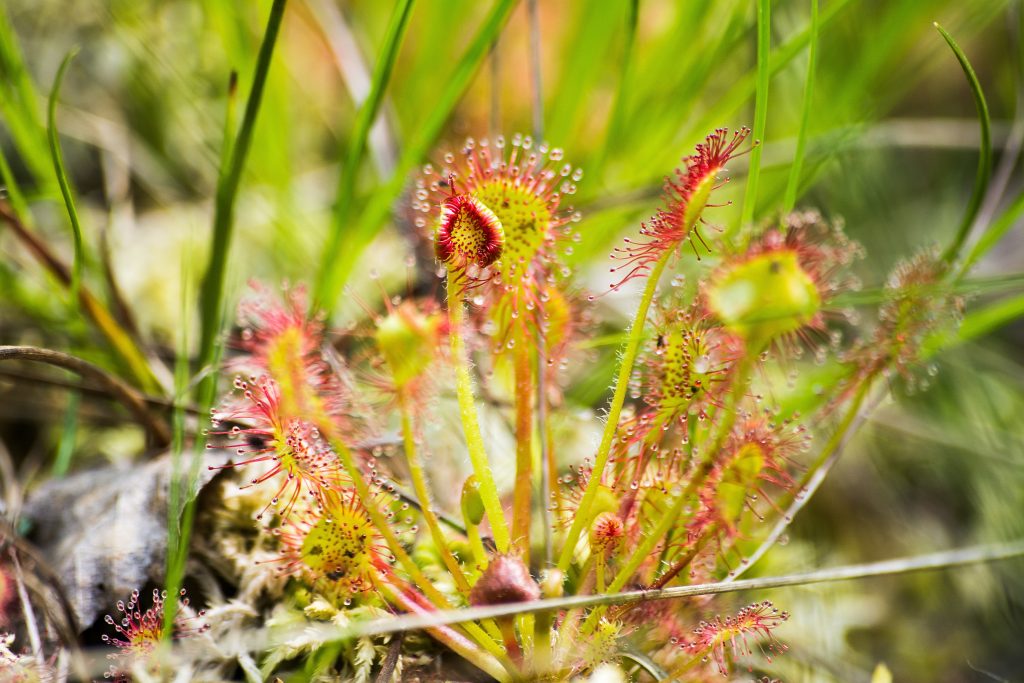
Overview Carnivorous plants are just as described- carnivorous. These plants seek nutrients from insects and small animals in the wild. Indoors, they rely on bugs like ants, flies, and spiders as they will not grow large enough to eat small animals. Carnivorous plants grow in bogs, or other environments where soil has poor nutrients. Because […]
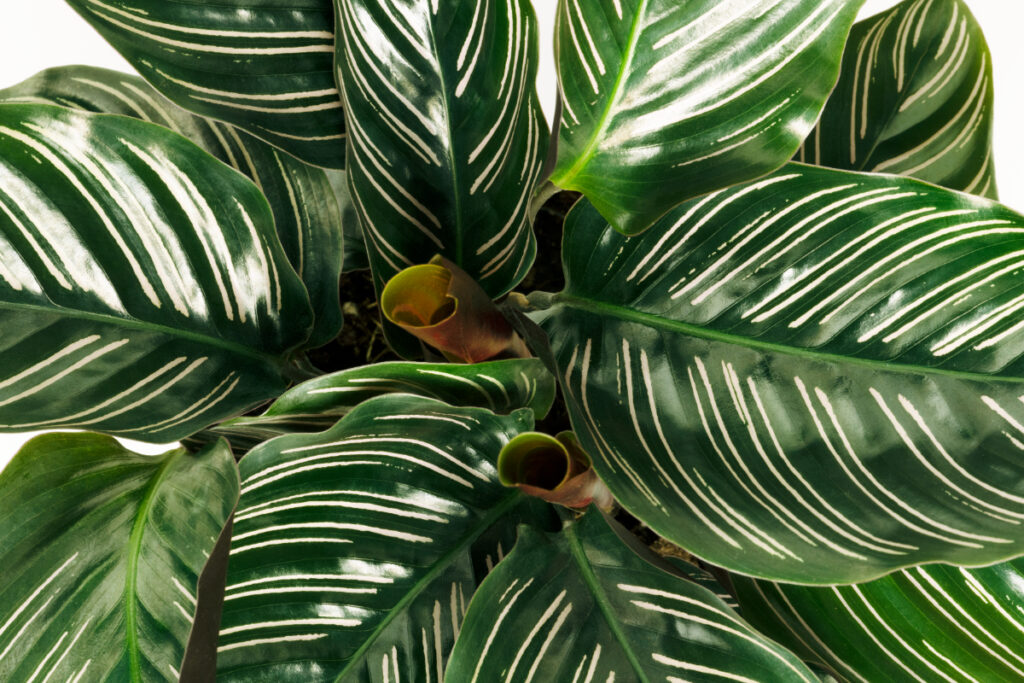
Overview Calathea, also known as the prayer plant, are characterised by oblong-shaped foliage that come in a variety of patterns and colors. There are around 60 species. Native to the South Americas, these plants have a tendency to be a bit fussy indoors, hence their reputation as the “drama queens” of the plant community. Calatheas […]

Overview Cacti are a member of the Cactaceae family. Most of these fascinating species are considered a part of the succulent family, with a firm plant body and adaptations to store water. There are nearly 2,000 species, each coming in different shapes, sizes, and colors. The tallest cactus on record was a 78 foot Saguaro […]